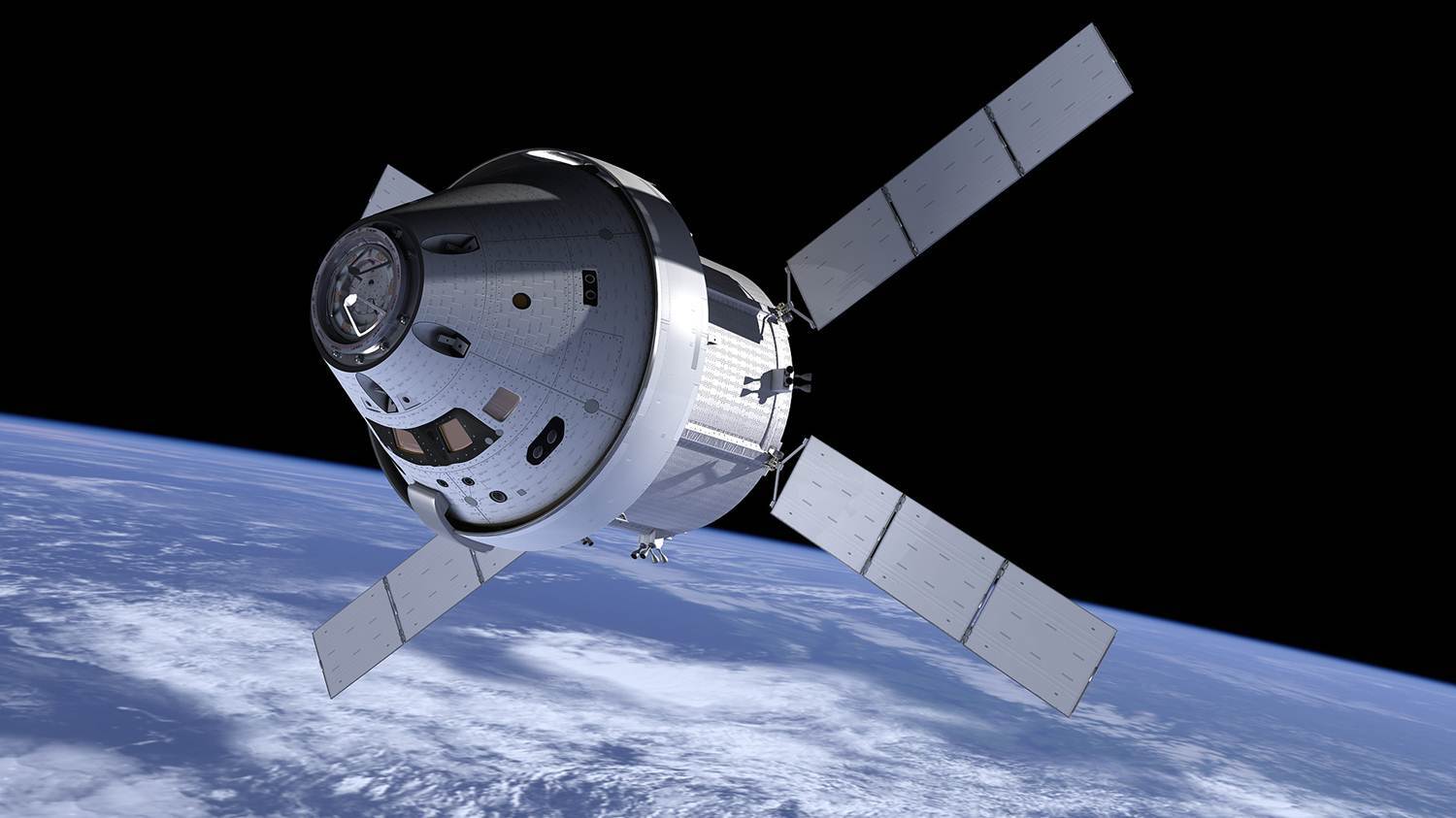
The Moon Called. We Answered with an Upgrade.
Back to the Moon: The Artemis Program and the Incredible Leap in Tech
Imagine trying to navigate a ship across the Atlantic using nothing but a basic pocket calculator. That is essentially what NASA achieved in 1969. As we stand in 2026, fresh off the success of the recent Artemis II mission, it’s the perfect time to look at how far we’ve come—and how we’re going back to stay.
The AGC vs. The SLS
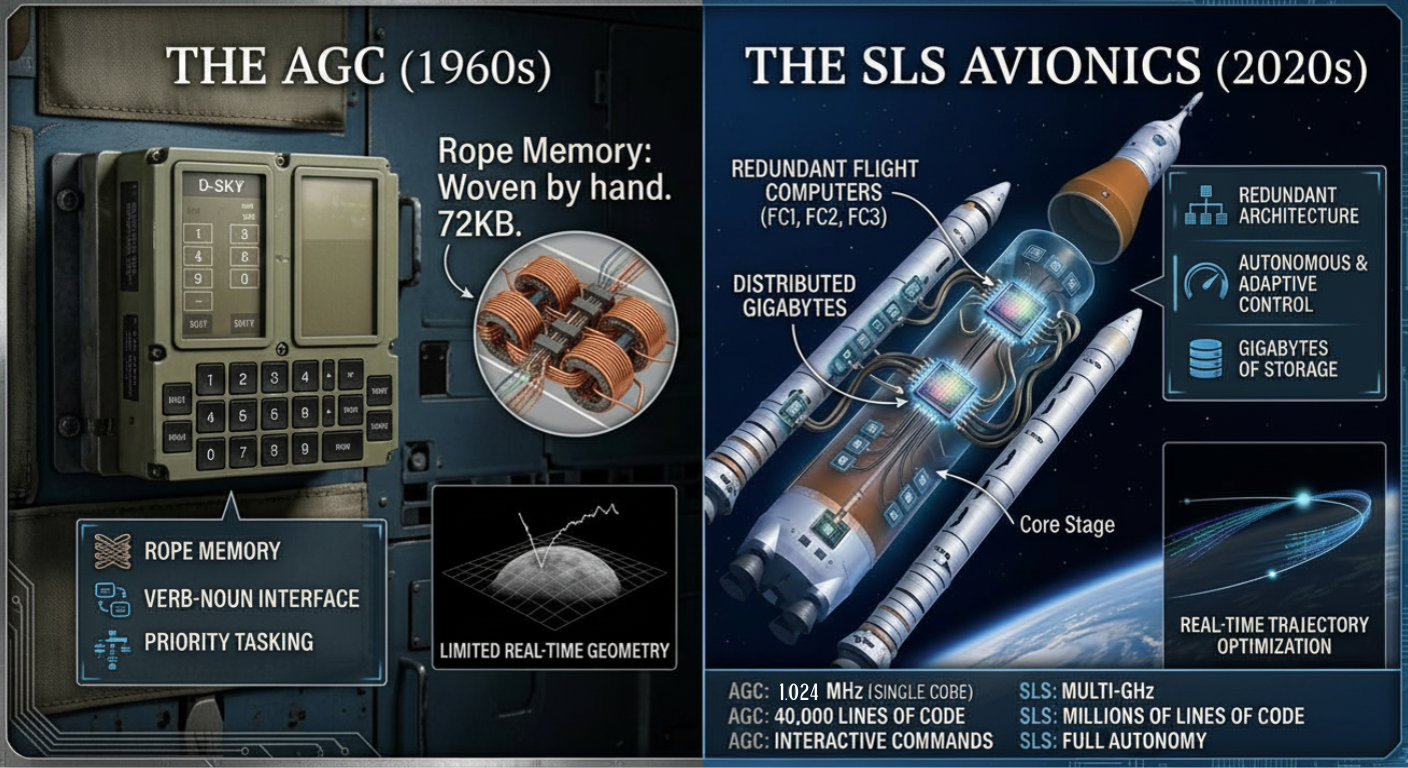
The computing leap from the Apollo era to today is almost hard to wrap your head around. The Apollo Guidance Computer (AGC) was a marvel for its time, but it had about 4KB of RAM and a processor running at roughly 1MHz.
To put that in perspective:
The average smartphone in your pocket today is roughly millions of times more powerful than the computer that landed Neil Armstrong on the Moon.
A modern phone handles billions of instructions per second; the Apollo computer handled about 40,000.
Even a modern USB-C charger often has more processing power than the entire Apollo 11 spacecraft!
While Apollo used the equivalent of a digital stopwatch to get to the Moon, the Artemis program uses a "distributed" computing architecture. The Orion spacecraft and the Space Launch System (SLS) rocket are packed with redundant flight computers that can process vast amounts of sensor data in real-time, allowing for autonomous navigation and much safer returns.
The Artemis Mission: Goals & Phases
The primary goal of Artemis isn't just to "visit" the Moon; it’s to establish a long-term presence. NASA wants to build a "Lunar Gateway" (a small space station orbiting the Moon) and an Artemis Base Camp at the lunar South Pole.
NASA’s roadmap is split into increasingly complex phases:
Artemis I (2022): An uncrewed "shake-down" cruise. It proved the SLS rocket could launch and that the Orion capsule could survive the searing heat of re-entry at 25,000 mph.
Artemis II (April 2026): Just completed! This was the first crewed mission beyond low Earth orbit since 1972. The crew—including the first woman and person of colour to fly to the Moon—broke the record for the farthest distance humans have ever travelled from Earth.
Artemis III (Target 2027): This mission was recently updated to be a high-stakes test in Earth orbit, where astronauts will practice docking Orion with new lunar landers.
Artemis IV (Target 2028): This is the "big one"—the mission currently slated to actually land boots back on the lunar surface.
The Power of Partnerships: SpaceX & Blue Origin
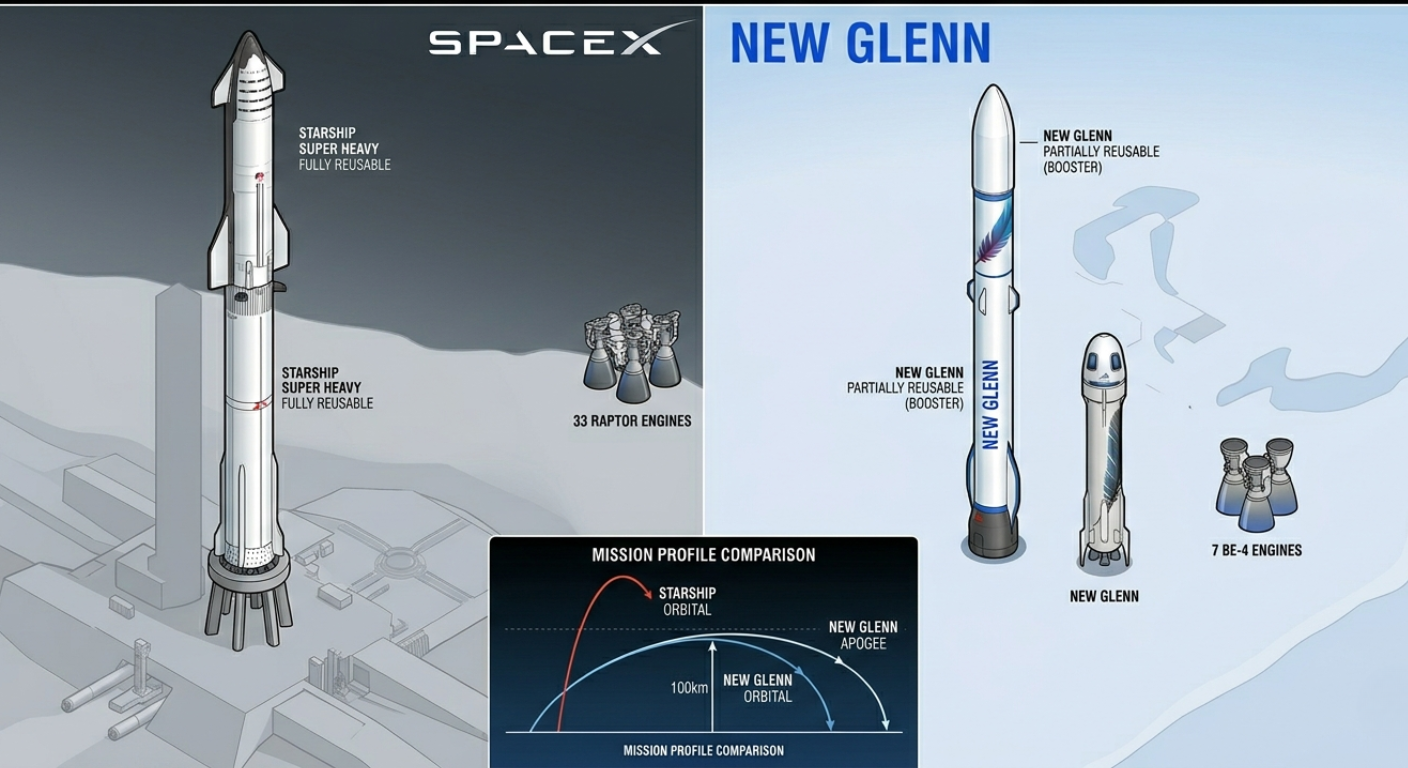
Unlike the Apollo era, which was almost entirely government-run, Artemis is a massive public-private partnership. NASA isn't building its own lunar lander this time. Instead, they’ve hired the pros:
SpaceX: Developing the Starship HLS (Human Landing System). This massive, stainless-steel ship will meet Orion in lunar orbit, take the astronauts down to the surface, and bring them back up.
Blue Origin: Jeff Bezos’s company was also awarded a contract to build a second lander, the Blue Moon, ensuring that NASA has a "backup" and encouraging healthy competition to drive down costs.
What’s Next?
With Artemis II safely home as of April 10, 2026, all eyes are on the integration of the Starship HLS. The next few years will be focused on "propellant transfer" (refuelling rockets in space), a technology that is essential if we ever want to use the Moon as a stepping stone to Mars.
We aren't just going back for the footprints this time; we’re going back to learn how to live on another world.
